
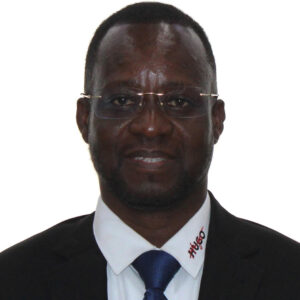
Marcel Roamba
Engineering Intern (EIT)


What does your job or volunteer work consist of?
I am responsible for the operation, maintenance, and reliability of critical electrical and radioelectrical infrastructure, supporting air navigation services including aeronautical ground lighting, power distribution, and CNS/ATM systems.
I supervise technical teams, coordinate maintenance, and oversee infrastructure upgrades and projects. I also troubleshoot complex failures, perform root cause analysis, and implement corrective actions to improve system reliability.
Additionally, I collaborate with multidisciplinary teams and contractors to ensure compliance with international aviation standards, while optimizing maintenance strategies to enhance efficiency and minimize downtime.
How do you apply engineering knowledge and principles to your job or volunteer work?
My work involves balancing technical, operational, and safety requirements to deliver reliable and sustainable engineering solutions. I apply electrical engineering principles to analyze, design, and maintain mission-critical infrastructure, including load calculations, system reliability, and protection coordination. I use engineering judgment to diagnose failures, assess risks, and implement solutions that ensure operational continuity.
I interpret system data, evaluate equipment performance, and optimize configurations to improve efficiency and reliability. I also ensure compliance with electrical codes and aviation standards, prioritizing safety and risk reduction.
Additionally, I integrate energy efficiency considerations using tools such as RETScreen.
Why are you an OSPE member/why do you think the work OSPE does is important?
I joined OSPE to connect with the engineering community in Ontario and support the advancement of the profession. As an internationally trained engineer, I value OSPE’s role in facilitating professional integration, continuous learning, and knowledge sharing.
OSPE plays an important role in advocating for engineers, promoting high standards, and supporting internationally educated professionals in adapting to the Canadian environment. Their work in professional development and policy contributes to a strong, innovative, and sustainable engineering community.
What issues in the profession are most important to you?
A key issue for me is the recognition and integration of internationally trained engineers, ensuring their experience is valued within the Canadian system.
I am also concerned with sustainability and energy efficiency, as engineers play a critical role in reducing environmental impact while maintaining system performance. Strengthening engineering practices in critical infrastructure is equally important to ensure safety and resilience.
What advice would you give your younger self?
I would focus on building not only strong technical skills, but also systems thinking, leadership, and communication skills. Engineering decisions have broad impacts on safety and society and making those decisions requires more than just technical understanding.
I would also emphasize continuous learning and adaptability, as well as gaining multidisciplinary experience. Seek mentorship and build professional networks early.
Finally, I would recognize the importance of understanding international standards to remain competitive in a global engineering environment.