


On January 15, 2026, the Government of Canada announced increased funding for climate resilience in Canadian municipalities. This announcement is a significant policy win for the engineering profession and the Ontario Society of Professional Engineers (OSPE). This initiative aligns directly with OSPE’s 2025-2025 federal budget recommendations calling for sustained investment in climate-resilient infrastructure to protect public safety and long-term value.
Through a partnership between Environment and Climate Change Canada (ECCC) and the Federation of Canadian Municipalities (FCM), $7.1 million will be invested through the Green Municipal Fund’s Local Leadership for Climate Adaptation (LLCA) initiative. The funding will support municipal projects that assess climate risks, strengthen infrastructure planning, and improve resilience to weather events and long-term climate impacts.
Climate resilience has been a central theme in OSPE’s federal advocacy. Engineers bring the technical expertise required to assess climate data, model risks, evaluate asset performance, and design infrastructure systems that can withstand increasingly severe weather conditions. This investment reflects meaningful progress in recognizing the essential role of engineering in climate adaptation.
Strengthening Climate-Resilient Infrastructure
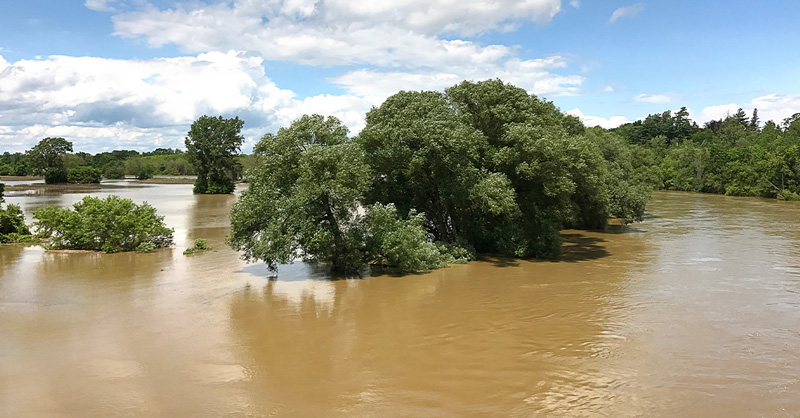
Ontario’s infrastructure is increasingly exposed to the impacts of climate change, including more intense rainfall and flooding, shoreline erosion, heat waves, freeze-thaw cycles, wildfires, and seismic risk. These conditions place growing pressure on roads, bridges, water systems, and energy networks, increasing safety risks and long-term costs.
Climate-resilient infrastructure planning allows municipalities to anticipate these impacts rather than respond after failure occurs. Incorporating climate considerations early in planning and design reduces service disruptions, protects public safety, and extends the life of public assets. Federal investments that support engineering-led climate adaptation strengthen municipalities’ ability to implement practical, evidence-based solutions. These include:
- Flood-resilient construction and drainage systems, such as elevating structures, improving stormwater management, and strengthening watershed planning to reduce flood risk.
- Fire-resistant building materials and design, supporting resilience in fire-prone regions and reducing recovery costs while protecting lives and property.
- Energy-efficient and climate-adaptive HVAC systems, designed to maintain performance under increasingly variable temperature conditions.
- Seismic retrofitting programs, improving the structural integrity of existing buildings and reducing risks in earthquake-prone areas.
- Enhanced early warning systems for extreme weather events, enabling communities to prepare, respond, and mitigate impacts more effectively.
- Investments in the resilience of critical infrastructure, including bridges, power grids, and water and wastewater systems, ensuring continuity of essential services during climate-related disruptions.
- Climate-resilient water management, including improved stormwater systems, water storage, and distribution infrastructure, as well as watershed-based strategies to protect drinking water quality and public health.
These measures reflect the breadth of engineering solutions required to address climate risk across interconnected infrastructure systems.
Protecting Public Health and Water Systems
A critical component of climate resilience is safeguarding drinking water and wastewater infrastructure. Climate change is increasing risks associated with flooding, drought, and water quality degradation, including harmful algal blooms and emerging contaminants.
Engineering-led water management strategies help municipalities identify watershed-specific risks and implement actions to reduce or eliminate potential contaminants. These include addressing cyanotoxins from harmful algal blooms, chemicals of emerging concern such as pharmaceuticals, endocrine-disrupting compounds, personal care products, PFAS, and risks associated with antimicrobial resistance. Strengthening water treatment and monitoring systems protects human health and ensures reliable access to safe drinking water under changing climate conditions.
A Policy Win for Engineers and Communities
This announcement reflects meaningful progress in recognizing the role of professional engineers in climate adaptation and infrastructure resilience. The funding validates several key principles long advocated by OSPE:
- Engineering expertise is essential to climate adaptation: Effective climate resilience planning requires technical analysis, systems thinking, and long-term performance evaluation, which are core competencies of professional engineers.
- Proactive planning reduces long-term costs: Investing in climate-informed planning and design helps avoid expensive retrofits, emergency responses, and premature asset replacement.
- Public safety depends on resilient infrastructure: Engineering-led solutions ensure infrastructure continues to perform safely and reliably as climate conditions change.
By investing in programs like LLCA, the federal government is supporting a shift toward preventative, evidence-based infrastructure planning that benefits both communities and the engineering profession.
Looking Ahead for Ontario’s Engineering Community
This investment creates new opportunities for engineers working in municipalities, consulting firms, and the broader infrastructure sector. Engineers will be central to delivering funded projects, including climate risk assessments, adaptation strategies, infrastructure retrofits, and infrastructure planning initiatives.
As municipalities build capacity in climate resilience, engineers will continue to play a leadership role in translating policy objectives into practical, implementable solutions that protect communities and public assets. While this funding represents an important step forward, continued and expanded investment will be necessary to ensure municipalities of all sizes can effectively address climate risks.
OSPE will continue to advocate for sustained federal support for climate-resilient infrastructure, as well as policies that embed engineering expertise into infrastructure planning and climate decision-making at all levels of government.



Leave a Comment