

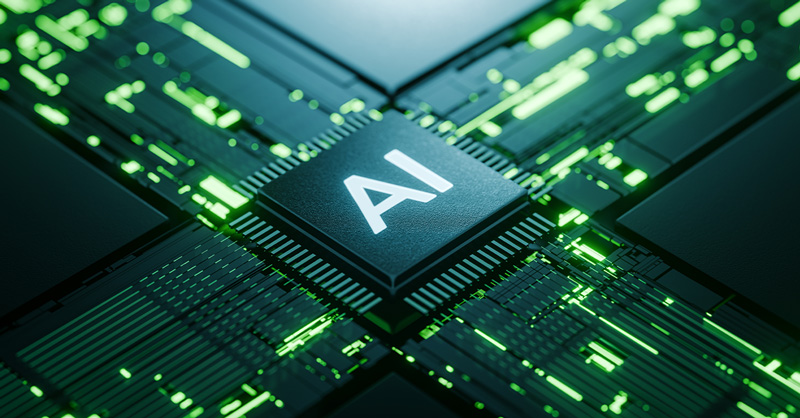
In April, OSPE’s Artificial Intelligence in Engineering Working Group published Artificial Intelligence AI 101: Part 1 and 2. These reports translate a fast-moving, often overhyped subject into practical, profession-specific guidance that practicing engineers can actually use. If you haven’t taken a moment to read them yet, you should.
The publication of these reports fulfilled what OSPE’s AI Working Group was originally created to. To provide guidance to Ontario’s engineers incorporating AI tools into their practice.
But, as the AI landscape evolves, so is OSPE’s AI Working Group.
The Working Group is Becoming a Task Force. Here is Why.
Over the past year, AI technology has exponentially improved, and opportunities for the application of AI in engineering have grown accordingly. At the same time, government investment in major infrastructure projects has increased the pressure on engineers to design and build faster and more effectively than ever before, creating a demand for tools like AI. The advancement of the technology and economic landscape for engineers mean AI adoption for engineers is an urgent and evolving challenge that cannot be addressed by research reports alone. This is what prompted the transition from a working group to a task force.
A working group produces outputs. A task force drives action over time. The difference matters because the AI environment is not stable. Canada’s federal AI legislation died on the order paper when Parliament was prorogued in early 2025. Ontario’s Bill 194, Strengthening Cyber Security and Building Trust in the Public Sector Act is coming into force in 2026. The federal Directive on Automated Decision-Making has a compliance deadline of June 24, 2026 for all federal institutions. The regulatory picture is moving faster than most firms are tracking it.
OSPE needs a standing body capable of producing guidance, responding to regulatory developments, engaging with government on AI policy, and helping members navigate a complicated professional landscape. A task force structure gives us that.
There are also deeper issues concerning what AI means for the engineering profession itself. Licensure, accountability, the seal, and professional judgment are going to be tested in specific ways as AI tools become more embedded in engineering practice. The task force will be the community that thinks through those questions with the seriousness they deserve.
We Want More Engineers at the Table
If you have experience using AI tools in engineering practice, if you work in a firm that is navigating AI adoption, if you have concerns about AI and professional accountability, or if you have expertise in law, regulation, data governance, or ethics as they intersect with engineering, we want to hear from you.
To express your interest in joining the OSPE AI in Engineering Task Force, reach out to us at advocacy@ospe.on.ca. Tell us a bit about your background and what you would bring to the conversation.
The AI 101 reports are available here.
We encourage you to continue the conversation on this topic by joining OSPE’s Online Community.


Leave a Comment